Global Shipping Rates in 2026: What Is Driving Ocean Freight Costs
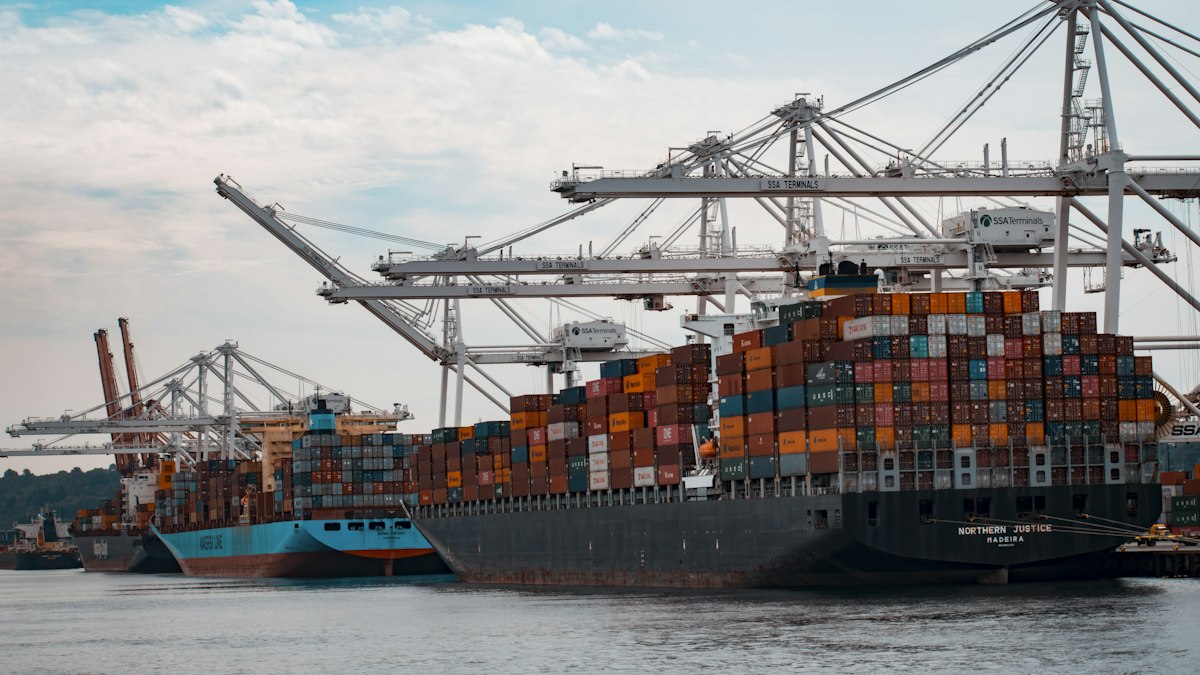
Ocean freight is the quiet engine of world trade. Around 80 percent of internationally traded goods by volume move by sea, which means a small shift in container rates can ripple through the price of everything from electronics to furniture.
After the extreme volatility of the early 2020s, rates have settled into a new, more fragmented pattern. Some trade lanes are cheap and stable, while others carry heavy surcharges driven by geopolitics, weather and capacity decisions made months in advance.
How Container Freight Is Priced
Most shippers pay either a spot rate or a contract rate. A spot rate is the short-term market price for moving a container now, while a contract rate is a longer-term agreement, usually negotiated annually with a carrier or forwarder.
- Spot rates move weekly and react quickly to supply and demand.
- Contract rates offer stability but can be higher or lower than spot depending on the market.
- All-in rates bundle the base ocean freight with surcharges.
Key Drivers of Freight Costs in 2026
Several forces are pushing rates up or down on different routes. Understanding them helps shippers time their bookings and budget more accurately.
| Driver | Effect on rates |
|---|---|
| Red Sea and Suez disruption | Longer routings, higher fuel and capacity costs on Asia-Europe lanes |
| New vessel deliveries | More capacity, downward pressure on many lanes |
| Blank sailings | Carriers cancel voyages to protect pricing, pushing spot rates up short term |
| Fuel and emissions rules | Higher bunker and EU ETS costs passed to shippers |
| US tariffs and front-loading | Import surges ahead of tariff dates, temporary rate spikes |
Major Trade Lanes at a Glance
Rates are never uniform. The price of moving a container from Shanghai to Rotterdam can be a multiple of the price from Shanghai to Los Angeles, and both can change in a single week.
- Asia to Europe: still elevated by longer voyages around the Cape of Good Hope.
- Asia to North America: volatile around tariff deadlines and peak season.
- Transatlantic: generally softer as demand normalises.
- Intra-Asia: lower base rates but tight feeder capacity in places.
Understanding Surcharges
A quoted base rate is rarely the final cost. Surcharges can add hundreds of dollars per container, so always ask for the all-in price before booking.
- Bunker Adjustment Factor (BAF) for fuel
- General Rate Increase (GRI) announced by carriers
- Peak Season Surcharge (PSS)
- Equipment imbalance and low-sulphur fuel charges
- War risk and security surcharges on affected routes
Spot Versus Contract Strategy
Large importers often lock a share of volume into contracts and keep the rest on spot to stay flexible. Smaller shippers usually rely on forwarders for blended pricing and better terms.
A balanced approach might look like 60 to 70 percent contracted volume and 30 to 40 percent spot, rebalanced each quarter as the market shifts.
How to Read Rate Indexes
Public indexes such as the Shanghai Containerized Freight Index (SCFI), Drewry's World Container Index and the Freightos Baltic Index track different baskets of routes. They are useful for direction, but your actual rate depends on lane, equipment, volume and timing.
Practical Ways to Control Costs
- Book earlier during peak season, but watch for falling spot markets before locking long-term.
- Ask for all-in quotes and itemise surcharges.
- Compare FCL and LCL economics for smaller shipments.
- Consider alternative ports and routings.
- Build buffer stock so you are not forced to ship at any price.
What to Watch for the Rest of 2026
The single biggest swing factor remains the Red Sea situation. Any reopening of Suez routings would release effective capacity and could lower Asia-Europe rates sharply. On the trans-Pacific, tariff calendars and holiday restocking will set the tempo.
Final Takeaway
Shipping rates in 2026 reward shippers who treat freight as a managed cost rather than an afterthought. Track the right lanes, read all-in pricing, and hold a mix of contract and spot volume so a single disruption cannot wreck your margins.
This is an independent informational guide and does not constitute financial, logistics or trade advice. Rates change frequently and should be confirmed with your carrier or forwarder.