Global Supply Chain Trends in 2026: Resilience, Nearshoring and Data
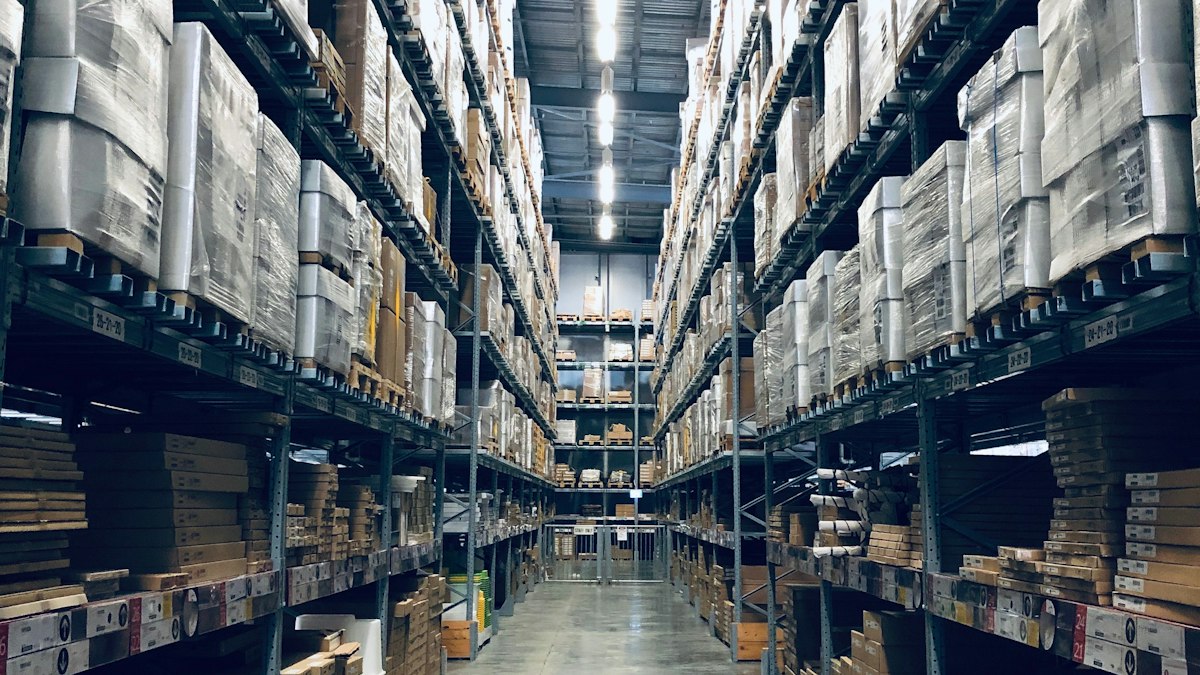
For decades, supply chains were optimised for one thing: cost. Goods moved to the cheapest production location, inventory was minimised, and just-in-time delivery was treated as a virtue. The disruptions of the 2020s changed the calculus.
In 2026, the dominant theme is resilience. Companies still care about cost, but they now weigh it against the risk of a single port closure, a tariff shock or a supplier failure bringing an entire business to a halt.
From Efficiency to Resilience
The shift is visible in how companies talk about their networks. Resilience means designing a supply chain that can absorb shocks without catastrophic failure, even if it costs a little more in normal times.
- Dual or multi-sourcing instead of a single supplier.
- Higher safety stock for critical components.
- Regional distribution hubs closer to customers.
- Scenario planning for geopolitical and climate shocks.
Nearshoring, Friendshoring and Re-shoring
Companies are moving production and sourcing closer to home, or to politically aligned countries. The three terms describe different flavours of the same idea.
| Strategy | Definition | Example |
|---|---|---|
| Nearshoring | Moving production to a nearby country | US firms sourcing from Mexico |
| Friendshoring | Sourcing from allied or stable countries | Supply chains shifting toward friendly trade partners |
| Re-shoring | Bringing production back to the home country | Domestic manufacturing incentives |
Digital Visibility and Control Towers
Most disruptions were made worse by a simple problem: companies could not see where their goods were. Real-time visibility platforms and supply chain “control towers” now track shipments, flag exceptions and let teams react in hours instead of days.
Data and AI in Planning
Artificial intelligence is moving from hype to practical use in demand forecasting, inventory optimisation and supplier risk scoring. The most effective deployments combine AI suggestions with human judgement rather than replacing it.
ESG and Regulatory Pressure
Environmental, social and governance requirements are now hard constraints. Carbon reporting, forced-labour due diligence and deforestation rules force importers to know not just their tier-one suppliers, but the layers below them.
- Carbon footprint measurement and reporting.
- Due diligence on labour practices in the supply chain.
- Compliance with product-specific sustainability rules.
Inventory Strategy: The New Balance
Just-in-time has given way to “just-in-case” for many product lines. The cost of holding stock is real, but it is often cheaper than lost sales and emergency air freight. Leading companies segment inventory by risk: lean for stable items, buffer for critical ones.
Port and Route Diversification
Over-reliance on a single port or a single routing proved dangerous. Importers are now comparing alternative gateways, nearshore suppliers and multi-carrier strategies to avoid single points of failure.
Supplier Collaboration
Resilience is not built alone. Strong companies share forecasts with key suppliers, audit risk jointly and negotiate contracts that reward reliability, not just the lowest price. Long-term partnerships are returning as a hedge against volatility.
What Resilient Supply Chains Look Like
- Multiple qualified suppliers across regions.
- Real-time visibility from order to delivery.
- Risk-based inventory segmentation.
- Documented contingency plans for major disruptions.
- Compliance monitoring embedded into sourcing.
Final Takeaway
The era of the single cheapest supplier is over. In 2026, the winners are building supply chains that can bend without breaking: diversified, visible, data-driven and ready for the next shock nobody saw coming.
This is an independent informational guide and does not constitute business or supply chain advice.