Maritime Shipping and Ports: How the World’s Cargo Moves
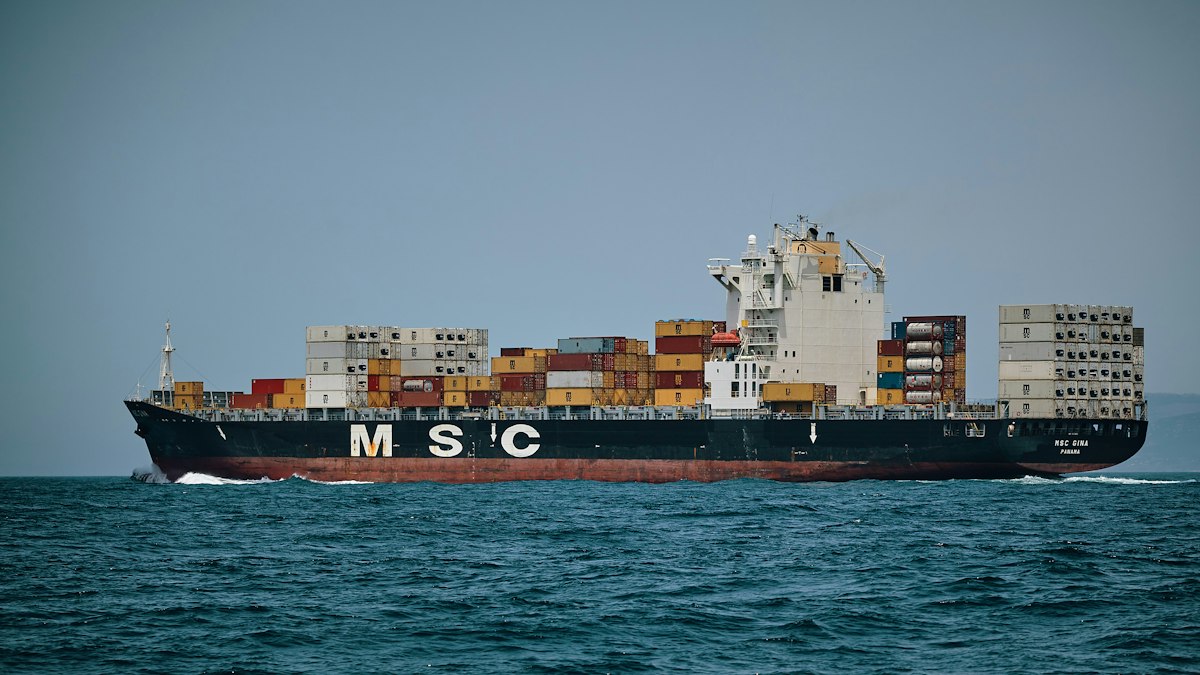
Around 80 percent of world trade by volume travels by sea, and the journey almost always passes through a port. Understanding how vessels, terminals and port networks fit together helps traders choose better routes and avoid congestion.
This guide explains the main vessel types, how container ports work, and why the choice of port can matter as much as the choice of carrier.
Types of Cargo Ships
Not all ships are alike. The vessel type is chosen for the cargo, and each has its own economics.
| Vessel type | Cargo | Notes |
|---|---|---|
| Container ship | Boxed general cargo | Measured in TEU; the backbone of liner trade |
| Bulk carrier | Grain, ore, coal | Dry bulk in large holds |
| Tanker | Crude oil, chemicals, LNG | Liquid cargo in tanks |
| RoRo ship | Vehicles, machinery | Roll-on, roll-off loading |
| Reefer ship | Perishables | Temperature-controlled holds |
How Container Shipping Works
Container shipping runs on scheduled “liner” services that call at fixed ports on a rotation. Your container joins thousands of others on a vessel, is offloaded at a hub, and may be transshipped onto another vessel before reaching its destination.
- FCL (full container load) - you use an entire container.
- LCL (less than container load) - you share a container with others.
- Transshipment - cargo changes vessels at an intermediate port.
The Anatomy of a Container Port
A modern container terminal is a carefully choreographed machine. Ships berth at the quay, gantry cranes unload containers onto the yard, and trucks, trains or barges move them inland.
- Berth and quay cranes for ship-to-shore transfer.
- Container yard for temporary storage and stacking.
- Gate complex where trucks enter and exit.
- Intermodal connections to rail and road.
Major Global Ports and Hubs
Certain ports act as global transshipment hubs, moving vast volumes between regions. Shanghai, Singapore, Rotterdam, Busan and Los Angeles/Long Beach are among the busiest and most strategically important.
Why Port Choice Matters
The nearest port is not always the best. Importers compare total door-to-door cost and reliability, not just the port-to-port leg.
- Congestion and dwell times can add days.
- Inland rail and truck connections affect cost.
- Some ports have better free trade zone or customs facilities.
- Carrier coverage varies by port.
Congestion and Dwell Time
Port congestion is the silent killer of schedules. When a port is congested, ships queue at anchor and containers sit in the yard. Dwell time, how long a container stays at the port, is a key indicator of efficiency that shippers increasingly watch.
Port Automation and Technology
Automated cranes, self-driving yard vehicles and digital gate systems are spreading at major terminals. Automation can improve consistency and safety, but it is expensive and not always faster in every port.
Maritime Emissions and Regulations
Shipping is under pressure to decarbonise. The IMO's emissions rules, the EU Emissions Trading System and fuel standards such as low-sulphur requirements are raising costs and reshaping vessel design, including interest in alternative fuels.
Choosing Your Route
Work backwards from your customer's door. Compare the full transit including port dwell and inland haulage, and build buffer time for congestion. A slightly longer route through an efficient port often beats a short route through a clogged one.
Final Takeaway
Ports are the chokepoints and the accelerators of global trade. Knowing the vessel, the terminal and the inland leg turns maritime shipping from a black box into a manageable cost and schedule decision.
This is an independent informational guide and does not constitute logistics or shipping advice.